
Capital Markets CRM and Regulatory Compliance: What You Need to Know
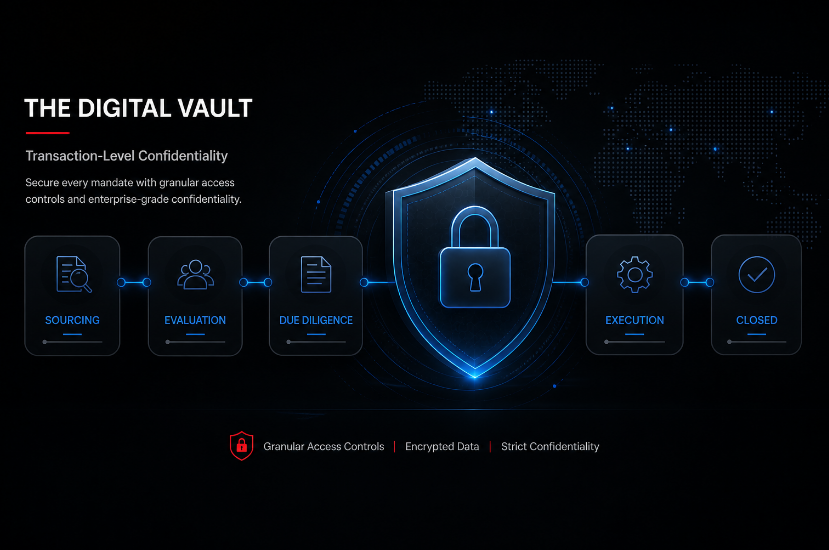
In capital markets, the wrong CRM is not just an efficiency problem. It is a control problem. When client conversations, meeting notes, mandates, investor interest, follow-ups, roadshows, and deal-related communications sit across inboxes, spreadsheets, and individual desktops, firms lose visibility where discipline matters most. Regulators expect evidence. Clients expect discretion. Senior leadership expects control over commercial activity, coverage quality, and sensitive information.
That is why a purpose-built capital markets CRM is now a strategic operating layer for investment banks, M&A advisors, institutional asset managers, and research-led capital markets teams. Platforms like InsightsCRM are designed to create a single source of truth for client intelligence, relationship activity, transaction workflows, investor engagement, and management reporting across regulated capital markets businesses.
How Does CRM Improve Regulatory Compliance in Capital Markets?
A strong CRM for capital markets firms improves compliance by making front-office activity visible, trackable, and governed.
For CEOs, COOs, Heads of Coverage, Heads of Sales, and Compliance leaders, this means the firm can capture emails, calls, meetings, notes, and follow-ups against the right account, contact, mandate, or transaction. It also means teams can maintain a clear history of who engaged whom, when, why, and what happened next.
More importantly, a capital markets CRM helps control access to sensitive client, investor, and deal-related information. Transaction-level confidentiality and ring-fencing ensure that only approved team members can access relevant deal records. This creates stronger audit trail discipline around relationship activity, task ownership, and follow-up execution.
InsightsCRM supports these requirements through centralized client and account profiles, integrated communications, task tracking, role-based visibility, transaction confidentiality, management dashboards, and reporting workflows. In practice, this helps firms move from informal activity capture to disciplined front-office governance.
What Features Should Decision-Makers Look For?
The best capital markets CRM software should reflect how capital markets teams actually work. Generic sales CRM logic is often too linear for relationship-led, transaction-sensitive, and compliance-heavy businesses.
Decision-makers should look for six core capabilities.
1. Single Source of Truth
The platform should provide one centralized view of organizations, contacts, interactions, notes, mandates, tasks, preferences, and relationship history. This helps eliminate information silos and ensures coverage teams, management, and compliance have consistent visibility into client activity.
2. Integrated Communications
A capital markets CRM should capture email, calendar, call, and meeting activity directly against the relevant client, account, opportunity, or deal. This creates a stronger activity record and reduces reliance on individual inboxes or manual updates.
3. Workflow and Task Management
The system should support follow-ups, task ownership, alerts, deadlines, and execution tracking across coverage, sales, banking, and management teams. This is critical for ensuring that relationship activity does not stop after a meeting, roadshow, or investor conversation.
4. Transaction-Level Confidentiality
For deal-driven businesses, access control is essential. The CRM must support transaction-level confidentiality, allowing firms to restrict sensitive deal or mandate information to approved users and deal teams. This helps protect client discretion and supports stronger internal control.
5. Investor and Event Management
The platform should support roadshows, conferences, corporate access, investor outreach, meeting logistics, and post-event engagement tracking. These workflows are central to capital markets relationship management and often sit outside the scope of generic CRM tools.
6. Reporting and Analytics
Decision-makers need clear visibility into client engagement, coverage intensity, pipeline status, service activity, follow-up discipline, and revenue-related activity. help management understand where the firm is active, where coverage is weak, and where opportunities may be developing.
This is where InsightsCRM is differentiated. It is not simply a contact database. It is a domain-focused CRM for firms that need relationship intelligence, workflow control, confidentiality, and business development discipline in one platform.
Why Compliance Is Really a Front-Office Workflow Issue?
In capital markets, compliance risk rarely sits in one system. It emerges in day-to-day behavior.
A banker forwards deal-related information too broadly. A sales professional fails to log a material client conversation. A relationship manager leaves mandate interest buried in email. A team loses track of who owns the next follow-up. A management committee asks for pipeline visibility, but the evidence is incomplete.
These are not only productivity gaps. They are control gaps.
A purpose-built CRM helps close those gaps by embedding discipline into the workflow itself. Activity capture, task assignment, account ownership, communication history, transaction access, and reporting become part of how the front office operates, not an after-the-fact compliance exercise.
For regulated firms, that distinction matters. The CRM becomes a system of accountability.
How CRM Helps Capital Markets Firms Grow?
The right CRM solutions for capital markets do more than organize data. They help firms grow with greater discipline.
For investment banks, M&A advisors, and institutional asset managers, growth typically depends on better targeting, faster follow-up, and stronger relationship leverage across the firm.
InsightsCRM supports these priorities through client profiling, opportunity tracking, product-opportunity alignment, prospecting workflows, alerts, investor outreach, roadshow management, and reporting. That matters because growth in capital markets rarely comes from one interaction. It comes from sustained, coordinated engagement over time.
Without a purpose-built CRM, those signals often disappear into individual inboxes and memory. With the right platform, they become institutional intelligence.
Why InsightsCRM Stands Out?
InsightsCRM stands out because it was built for capital markets workflows first.
Its value is strongest where firms need more than contact management: client intelligence, deal tracking, investor engagement, task discipline, access control, reporting, and confidentiality across teams.
Key differentiators include capital markets-specific workflows, centralized account and contact intelligence, integrated communication capture, transaction-level confidentiality, ring-fencing, roadshow and event support, task management, dashboards, third-party integrations, customizable workflows, and high-touch support.
For senior decision-makers, this makes InsightsCRM more than another CRM system. It becomes an operating layer for commercial execution, regulatory discipline, and relationship-led growth.
What Should Financial Institutions Do Next?
If your firm is still managing client intelligence, investor relationships, deal activity, reporting, and compliance evidence across disconnected tools, the cost is already visible.
It shows up in missed follow-ups, fragmented coverage, weak audit trails, poor visibility into sensitive activity, and slower execution.
A purpose-built capital markets CRM changes that operating model. It helps firms centralize intelligence, govern access, improve relationship discipline, and give leadership a clearer view of what is happening across clients, investors, mandates, and teams.
For firms under pressure to grow while staying in control, this is no longer a back-office technology decision. It is a front-office control decision.
Explore InsightsCRM or request a demo to see how a purpose-built capital markets CRM can strengthen compliance, improve investor engagement, and bring greater execution discipline to your capital markets business.
FAQs:
1. Why is CRM important for regulatory compliance in capital markets?
CRM is important because it gives firms a structured record of client interactions, meeting notes, follow-ups, mandates, and deal-related activity. In regulated capital markets businesses, this visibility helps management and compliance teams understand who engaged whom, when, why, and what action was taken next.
2. How does a capital markets CRM differ from a generic CRM?
A capital markets CRM is built around relationship-led, transaction-sensitive workflows. Unlike generic CRM software, it supports client coverage, deal tracking, investor engagement, roadshows, task management, reporting, access controls, and transaction-level confidentiality.
3. What compliance risks can arise from fragmented client data?
Fragmented client data can create weak audit trails, missed follow-ups, unclear ownership, inconsistent reporting, and poor visibility into sensitive relationship or deal activity. When information sits across inboxes, spreadsheets, and desktops, firms lose control over both execution and oversight.
4. What features should firms look for in capital markets CRM software?
Decision-makers should look for a single source of truth, integrated communications, workflow and task management, transaction-level confidentiality, investor and event management, and strong reporting and analytics. These features help firms improve visibility, accountability, and front-office discipline.
5. How does InsightsCRM help capital markets firms improve control and growth?
InsightsCRM helps firms centralize client intelligence, track interactions, manage follow-ups, protect sensitive transaction information, and provide leadership with better visibility into client engagement and pipeline activity. This supports both regulatory discipline and stronger commercial execution.


